Robin Bird Embroidery Design Review
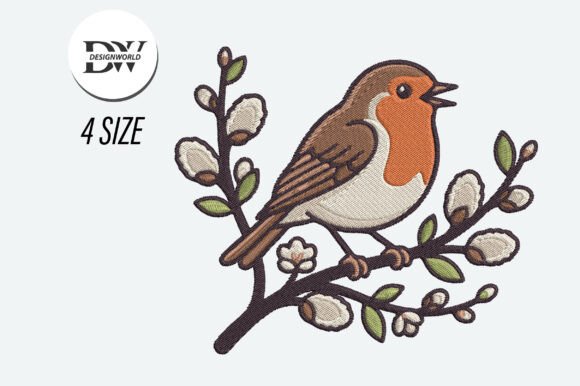
When I first opened the file for the Robin Bird Embroidery Design, my immediate reaction wasn't about the stitch count or the file format. It was about the mood. There is a specific kind of quiet joy that comes from seeing a red-breasted robin nestled among delicate botanical details, and this design captures that feeling perfectly. As someone who has spent years evaluating digital assets for real-world production, I look for more than just a pretty picture; I need to know if it will hold up on a customer's shirt, a baby's onesie, or a boutique tote bag. This piece brings a peaceful woodland touch that feels ready for the hoop, but like any good designer, I believe in testing before trusting.
The First Impression: Mood and Layout
The visual personality of this design is soft yet distinct. Unlike some bird motifs that can feel cartoonish or overly simplified, the Robin Bird Embroidery Design strikes a balance between charm and elegance. The inclusion of botanical elements suggests a springtime theme, making it versatile enough for Easter collections, Mother's Day gifts, or general home decor. The layout is compact enough to fit on smaller items without looking cramped, yet detailed enough to justify a larger placement on apparel.
From a composition standpoint, the design avoids clutter. The negative space around the bird allows the eye to rest, which is crucial for embroidery where thread density can sometimes overwhelm a small area. If you are an Etsy seller looking to create a cohesive brand aesthetic, this design offers a natural way to introduce nature-inspired themes into your shop without clashing with other product lines. It feels organic, not forced.
Real-World Application: From Screen to Stitch
I recently considered using this design for a custom order involving a set of kitchen towels for a client's new bakery. The goal was to create a "farm-to-table" vibe that felt welcoming. When I ran the Robin Bird Embroidery Design through my simulation software, the interaction with the fabric texture became clear. On a white cotton tea towel, the contrast would be sharp, but the true test lies in how the stitches behave on different materials.
This design shines when used as a tote bag design or for sweatshirt embroidery. The medium size of the bird allows it to stand out on a canvas tote without requiring excessive digitizing adjustments. For baby embroidery, such as on a bonnet or a bib, the gentle curves of the leaves soften the overall look, making it perfect for nursery decor or personalized gifts. However, I found myself thinking about its potential on embroidered patches. The clean lines of the bird's silhouette suggest it could work well as a sew-on patch, provided the backing stabilizer is robust enough to hold the shape during wear.
For commercial projects, the versatility is a major asset. A small shop owner could use this single design across multiple SKUs—pillow covers, aprons, and even caps. The key is consistency. If you are building a brand identity around rustic or nature-themed goods, having a reliable machine embroidery design like this ensures that every finished product looks professional and intentional.
Where Caution is Required
Even the best designs have their limitations, and knowing where to draw the line is what separates a hobbyist from a pro. While the Robin Bird Embroidery Design is charming, there are specific scenarios where it might struggle. Small hoop sizes present a challenge here. If you attempt to shrink this down too much for a tiny accessory, the delicate botanical details may merge together, losing their definition. Always check the minimum recommended hoop size before committing to a project.
Fabric choice is another critical factor. Textured fabrics, such as heavy waffle weaves or nubby linens, can obscure the fine details of the leaves. Similarly, stretchy fabrics like jersey require careful stabilization; without the right support, the tension of the fill stitch areas could cause the fabric to pucker, ruining the silhouette of the bird. Dark fabrics also demand attention. Unless you plan to use a high-density underlay or light-colored threads, the red of the robin might get lost against a black background, diminishing the visual impact.
Curved surfaces, like baseball caps, add another layer of complexity. While the design might look flat and perfect on a screen, transferring it onto a curved brim requires precise digitizing adjustments to ensure the bird doesn't look distorted. If you are working on commercial embroidery for hats, I recommend running a test run on scrap material first to verify the curvature alignment.
Visual Appeal and Product Value
In the world of handmade products, perception is reality. A well-executed design elevates the perceived value of an item, often allowing you to price higher because the craftsmanship is evident. The Robin Bird Embroidery Design contributes to this by offering a level of sophistication that generic clip-art simply cannot match. Customers are drawn to designs that show thoughtfulness in execution.
When a buyer sees a finished product featuring this design, they are likely to associate it with quality and care. This builds trust and encourages repeat business. For Etsy sellers and digital product sellers, showcasing mockups of this design on various backgrounds—from linen napkins to denim jackets—can significantly boost engagement. The design acts as a visual anchor, drawing the eye and inviting the customer to imagine owning the item.
However, the success of the final product relies heavily on the execution. Poor thread color choices or incorrect stitch density can turn a beautiful concept into a tangled mess. It is essential to review the thread colors suggested by the designer and consider how they will interact with your chosen fabric. Sometimes, swapping a standard green for a sage or olive shade can make the botanical details pop much more effectively.
Practical Designer Notes for Success
Before you rush to start stitching, there are several technical steps you must take to ensure the embroidery file performs as expected. First and foremost, always test the design on scrap fabric that matches the weight and texture of your final project. This simple step can save hours of frustration and wasted materials. Pay close attention to the stabilizer; for this design, a cut-away stabilizer is likely necessary to maintain the integrity of the leaves and prevent distortion over time.
Inspect the small details closely. Are the tips of the leaves sharp? Is the bird's eye clear? If the design includes satin stitch areas, check for pull marks or gaps. It is also wise to test the design in black and white mockups to ensure the contrast holds up regardless of the color scheme you eventually choose. Comparing light and dark fabric backgrounds early in the process will help you decide if additional underlay stitches are needed.
Finally, confirm the licensing terms before selling finished items or distributing the digital embroidery file. Some designs are intended for personal use only, while others allow for commercial sales of physical products. Understanding these distinctions protects your craft business and ensures you are operating within legal boundaries. By following these guidelines, you can confidently integrate the Robin Bird Embroidery Design into your workflow, creating stunning handmade products that delight customers and elevate your brand.