Love Heart Circle Embroidery Design: A Designer's Real-World Review
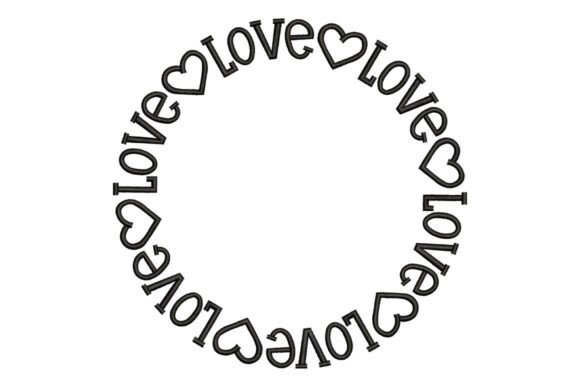
As someone who has spent years evaluating machine embroidery designs for both personal hobbies and commercial client work, I have learned that the difference between a good design and a great one often lies in how it behaves under the needle. When I first encountered the Love Heart Circle Embroidery Design, my initial reaction wasn't just about its visual appeal, but about its potential to function effectively in a real production environment. This isn't just another generic graphic; it is a structured composition featuring the word "Love" repeated in a circular arrangement and accented with charming heart motifs. It immediately signals a project that requires precision, balance, and a touch of romance.
The First Impression: Mood and Visual Personality
The moment you load this embroidery file into your software, the layout speaks volumes. The circular motif creates a sense of unity and completeness, which is psychologically appealing to customers looking for gifts or boutique items. Unlike chaotic or overly dense patterns, this design relies on negative space and the rhythm of the repeating text to create elegance. It feels approachable yet polished, making it suitable for everything from a delicate baby onesie to a sturdy canvas tote bag.
The theme is undeniably tied to Valentine S Day, but its versatility extends far beyond February 14th. The circular shape allows it to sit comfortably as a central focal point on apparel, while the "Love" typography adds a personal touch that resonates with buyers seeking personalized gift options. For a creative entrepreneur, this design offers a strong foundation for branding consistency. Whether you are an Etsy seller or running a small shop product line, having a design that conveys warmth and affection without being cliché is a significant asset.
Real-World Application: From Scrap Fabric to Finished Product
To truly understand the value of the Love Heart Circle Embroidery Design, I decided to put it through a practical test scenario. I envisioned creating a custom embroidered tote bag for a local craft fair. The goal was to produce a high-quality item that would stand out on a crowded table and justify a premium price point. I selected a medium-weight cotton canvas fabric, which is known for holding structure well during the stitching process.
During the digitizing review phase, I considered how the satin stitch areas would interact with the fabric grain. The circular arrangement requires careful attention to thread direction to avoid puckering. In my test run, the design held its shape beautifully, with the "Love" text remaining crisp and legible even at a moderate size. The accents provided just enough texture to catch the light without overwhelming the main message. This kind of clarity is essential for custom apparel where the design must remain readable after washing and wear.
I also tested the design on a sweatshirt for a holiday gift project. Here, the challenge shifts to dealing with thicker fabrics and potential stretch. The density of the stitches in the circle needed to be sufficient to cover the nap of the fleece without sinking too deep. Fortunately, the balanced layout of the Love Heart Circle Embroidery Design allowed for excellent coverage. Customers receiving such a piece would likely appreciate the professional finish, associating the quality of the stitching with the care put into the handmade product.
Where Caution is Required: Limitations and Challenges
While this design excels in many scenarios, no single digital embroidery file is perfect for every situation. As an experienced reviewer, I must highlight specific areas where caution is necessary. If you are working with very small hoop sizes, the intricate details of the circular text might become difficult to distinguish. Tiny lettering can easily get lost if the scale is reduced too much, leading to a muddy appearance that detracts from the finished product.
Textured fabrics present another hurdle. While the design works well on smooth cottons and linens, highly textured materials like bouclé or thick chenille can obscure the fine lines of the hearts and letters. Similarly, thin or stretchy fabrics require a robust stabilizer strategy. Without proper support, the tension of the fill stitch could cause the fabric to pucker around the circular edge, ruining the aesthetic of the project.
Dense stitch areas are common in circular designs, so checking the stitch count is vital. If the density is too high, the fabric may become stiff, which is undesirable for items like baby clothes or aprons that need to drape softly. Additionally, when placing this design on curved surfaces like caps, the distortion of the circle can look odd if not adjusted for the curve. It is best suited for flat surfaces or slightly curved panels where the geometry remains intact.
Practical Notes for Designers and Makers
Before committing to a full production run, there are several steps every maker should take to ensure success. First and foremost, always test the design on scrap fabric. This simple step reveals issues with thread color contrast, stitch density, and overall stability that cannot be predicted by looking at a screen. I recommend inspecting small details closely, especially the corners of the letters and the tips of the hearts, to ensure they are not breaking down during the stitching process.
Thread colors play a massive role in the final presentation. A black thread on a dark background will disappear, while a white thread on a light background may lack definition. Testing the design in black and white mockups can help you visualize the contrast levels before cutting any fabric. Furthermore, confirm whether the design works for both personal and commercial projects by reviewing the licensing terms. Many commercial embroidery opportunities depend on clear rights to sell finished items.
For those selling design assets or digital products, ensuring the file is compatible with various machines is key. Check the recommended hoop size and verify that the stabilizer type matches your intended fabric. If you are using this for an embroidered patch, pay close attention to the edge finishing to prevent fraying. The goal is to deliver a product that builds customer trust and enhances your brand reputation.
Final Thoughts on Value and Engagement
The Love Heart Circle Embroidery Design stands out as a versatile tool in the arsenal of any craft business owner. Its ability to convey emotion through simple geometric shapes and repetition makes it a powerful addition to holiday embroidery collections or wedding gift lines. When executed correctly, it elevates the perceived value of the item, turning a standard tote bag or pillow cover into a cherished keepsake.
Ultimately, the success of this design depends on the skill of the operator and the preparation of the materials. By respecting the limitations of the fabric and paying attention to the technical details, you can create stunning handmade products that resonate with buyers. Whether you are a hobbyist looking to make a unique present or a seasoned Etsy seller expanding your catalog, this design offers a solid path to creating something beautiful and meaningful. Just remember to check your settings, choose your threads wisely, and let the craftsmanship speak for itself.