Jack Russell Terrier Embroidery Design Review
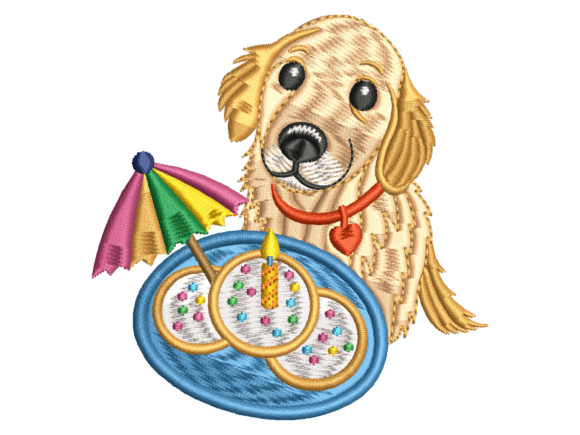
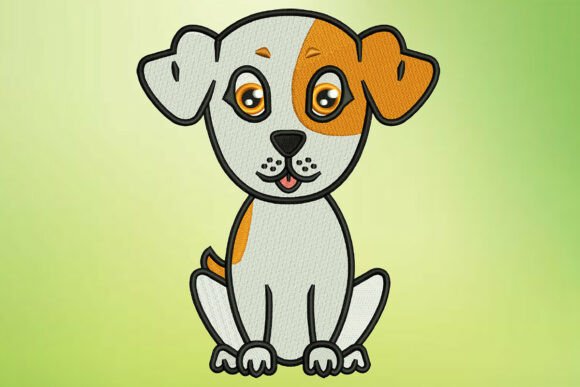
As a professional embroidery designer who has spent years crafting assets for boutique brands and commercial apparel decorators, I approach every new file with a critical eye. When evaluating the Jack Russell Terrier Embroidery Design, I am not just looking at a cute image; I am analyzing its potential to elevate a small business's brand identity. The product description highlights a "Cute Patch Eyed Puppy" that captures a "classic storybook aesthetic" with a "cheerful whit[e]" palette. This specific phrasing suggests a design that leans heavily into nostalgia and charm, which is a powerful tool for businesses aiming to create an emotional connection with their customers.
First Impressions: Storybook Charm Meets Professional Utility
The initial visual assessment of this design reveals a strong personality. In the world of machine embroidery design, few things are as effective as a character that feels both handmade and premium. The "classic cartoon charm" mentioned in the title implies clean lines and a distinct silhouette, likely free from the clutter that often plagues low-quality digital files. For a small business owner, whether running a local café, a floral studio, or a pet supply shop, this aesthetic signals friendliness and approachability.
This is not a sterile corporate logo; it is a handmade product element designed to evoke warmth. The "cheerful" nature of the Jack Russell Terrier suggests high energy and playfulness, making it an ideal candidate for brands that want to appear accessible and fun. However, the "storybook" quality also lends a sense of timelessness, ensuring that the design will not feel dated after a season of trends pass. When placed on a branded item, this design acts as a visual anchor, turning a standard piece of merchandise into a memorable experience.
Real-World Application for Small Business Merch
The true test of any embroidery file lies in its versatility across different product categories. Based on the playful yet structured nature of the Jack Russell Terrier Embroidery Design, I have identified several high-value applications for small business owners and Etsy sellers.
- Embroidered Patches: The description explicitly mentions a "Cute Patch." This design is perfectly suited for creating iron-on or sew-on patches. A small business can use these as a signature accent on denim jackets, canvas tote bags, or even as a badge of honor on staff aprons. The "patch-eyed" look adds a unique texture that stands out against fabric backgrounds.
- Staff Uniforms and Aprons: For bakeries, cafes, or boutiques, consistency is key. This design works beautifully as a chest logo or a sleeve detail on work shirts. The classic aesthetic ensures it looks professional rather than childish, bridging the gap between utility and branding.
- Cap Embroidery: The curved surface of a cap requires a design with good structural integrity. If the stitch density is balanced, this Jack Russell Terrier motif could serve as a charming focal point on a baseball cap or beanie, offering a subtle nod to the brand without overwhelming the wearer.
- Tote Bag Designs: Canvas totes are a staple of small business merch. A single, well-placed embroidered dog creates a delightful surprise when the customer opens the bag. It transforms a simple carry-all into a statement piece that encourages social sharing.
- Product Packaging Accents: Imagine this design stitched onto a hang tag for a handmade soap bar or a label inside a clothing garment. It adds a layer of tactile luxury that printed labels simply cannot match.
Strategic Considerations and Potential Pitfalls
While the potential is high, an experienced designer knows that execution is everything. There are specific scenarios where the Jack Russell Terrier Embroidery Design requires careful handling to maintain the integrity of the finished product.
Size and Detail Limits: If the design features intricate outlines or tiny lettering, scaling it down too small for a patch or a hat buttonhole can result in a muddy mess. High stitch density in small areas can cause fabric puckering, especially on lightweight materials like thin cotton tees or sheer fabrics. Always verify the minimum recommended size before committing to production.
Fabric Texture and Color: The "cheerful white" aspect of the design is crucial. On dark uniforms or textured fabrics like heavy wool or coarse linen, the contrast might be lost unless specific thread colors are selected. White thread on a dark background often requires a high stitch count or a backing layer, which can alter the drape of the fabric. Conversely, on light fabrics, the design must be vibrant enough to stand out against the natural weave of the material.
Wash Durability: For items that need frequent washing, such as kitchen aprons or work shirts, the stability of the design is paramount. If the file lacks proper underlay stitches, the detailed "storybook" elements may shift or distort over time. Ensuring the design is robust enough to withstand industrial laundering is essential for maintaining brand identity and customer trust.
Building Brand Identity Through Tactile Design
In an era of digital saturation, physical touch points are more valuable than ever. Using a digital embroidery file like this one allows a business to offer a tangible connection to their brand. When a customer receives a tote bag or a hat featuring the Jack Russell Terrier Embroidery Design, they are engaging with a custom apparel item that feels substantial and cared for.
This level of detail fosters recognition. A consistent visual language across all touchpoints—from the uniform of the barista to the packaging of the coffee beans—builds a cohesive narrative. The playful yet classic nature of this design helps humanize the business, making it feel like a neighborly spot rather than a faceless corporation. It increases perceived value, allowing businesses to command higher prices for their goods because the craftsmanship is evident.
Practical Designer Notes for Production
Before you import this design into your hoop and start stitching, there are technical steps you must take to ensure success. As a reviewer, I strongly advise the following workflow:
- Test in Black and White: Convert the design to grayscale first. This helps you visualize the contrast and density without the distraction of color. Does the shape hold up? Are the negative spaces clear?
- Check Thread Color Contrast: Ensure the chosen threads provide enough contrast against your target fabric. If the design relies on white details, confirm that the white thread will show up clearly on your specific material.
- Inspect Spacing and Hoop Size: Verify that the design fits within your intended hoop size. If you are working on a curved surface like a cap, ensure the digitization accounts for the curvature to prevent distortion.
- Stabilizer Selection: Choose the correct stabilizer for your fabric weight. Heavy-duty stabilizers may be needed for stretchy knits, while tear-away might suffice for stable wovens. Proper stabilization is the difference between a crisp logo and a wrinkled mess.
- Create a Printable Mockup: Before producing bulk orders, create a printable mockup for client approval. Show them exactly how the design assets will look on the final product to manage expectations regarding scale and placement.
- Confirm Commercial Licensing: This is non-negotiable. Ensure you have the rights to use the Jack Russell Terrier Embroidery Design for commercial purposes. Check the license terms to see if there are restrictions on the number of units you can produce or if attribution is required.
By treating the Jack Russell Terrier Embroidery Design with the same rigor as a custom vector illustration, you ensure that your commercial embroidery projects meet the highest standards. Whether you are outfitting a team or launching a line of branded patches, this design offers a blend of charm and professionalism that can truly set your brand apart.