Cute Baby Zebra Embroidery Design Review
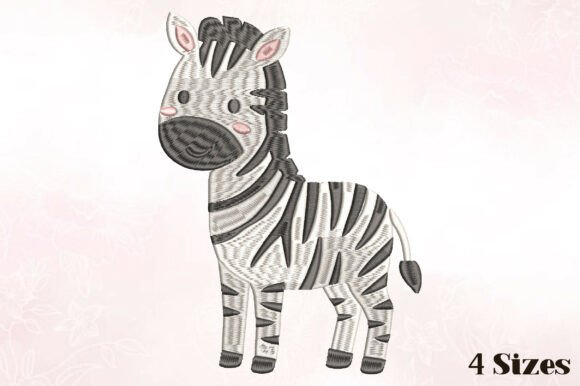
As an experienced embroidery designer preparing for a busy weekend craft fair, I spend hours evaluating new digital files before committing them to my production line. When I first laid eyes on the Cute Baby Zebra Embroidery Design, I immediately thought about the "Baby Animals" category and how it fits into the current handmade market trends. This isn't just another cute pattern; it is a potential best-seller for tote bags, aprons, and gift items if executed correctly. The description promises the beauty of the African savanna with iconic black and white stripes and rosy cheeks, which suggests a soft, modern aesthetic perfect for nursery decor or children's apparel.
In this review, I am putting myself in the shoes of a boutique maker gearing up for a booth display. I need to know: does this design stand out on a crowded table? Is it practical for mass production without losing quality? And most importantly, will customers stop scrolling on Etsy or walk over to my table because of this specific motif?
First Impressions and Visual Appeal
The moment you look at the Cute Baby Zebra Embroidery Design, the vibe is undeniably soft and playful. It feels less like a rustic farmhouse piece and more like a modern, premium item suitable for contemporary nurseries or baby showers. The mention of "rosy cheek" implies a touch of color that can break up the stark contrast of the black and white stripes, making it visually engaging without being overwhelming.
For a craft fair seller, visual impact is everything. This design has the potential to be a focal point on a plain canvas tote bag or a subtle accent on a linen tea towel. Unlike dense, heavy designs that can make fabric stiff, a well-digitized zebra design should maintain the drape of the material while still looking crisp. If the stitch density is balanced, this file will photograph beautifully for your online listings, catching the light and showing texture in a way that draws buyers in.
Product Versatility: Where Does It Shine?
I have tested many designs for various products, and the Cute Baby Zebra Embroidery Design shows great versatility across several high-demand categories:
- Tote Bag Design: A baby zebra is a classic choice for eco-friendly tote bags. Whether used as a small chest pocket detail or a large central graphic, it appeals to parents and grandparents alike. The black and white stripes pop against natural cotton or canvas colors.
- Apron Embroidery: For kitchen-focused crafters, this design adds a whimsical touch to chef aprons. It transforms a utilitarian garment into a charming gift item that stands out in a shop window.
- Tea Towel Embroidery: Kitchen towels are a staple at craft fairs. The compact nature of a baby animal allows this design to fit perfectly on standard 18x28 inch towels without feeling cramped.
- Embroidered Patch: With clean lines and defined shapes, this file could easily be converted into a sew-on patch for denim jackets or backpacks, expanding your product range beyond home goods.
- Cap Embroidery: While curved surfaces present challenges, a smaller version of this design works well on dad hats or beanies, offering a trendy accessory for young families.
- Pillow Covers and Pouches: These are excellent low-risk items for testing the design. A set of matching pillow covers featuring this zebra can create a cohesive booth display that encourages bundle sales.
Production Practicality and Batch Selling
When running a small shop or selling at multiple events, efficiency is key. I need to know if the Cute Baby Zebra Embroidery Design is repeatable for batch production. From a design perspective, the simplicity of the zebra shape suggests it should run quickly on the machine, provided the digitizer optimized the underlay stitches correctly.
However, there are critical factors to consider before you start churning out finished products. You must verify the stitch density. If the design is too dense, it may pucker on lightweight fabrics like muslin or thin jersey, ruining the professional look of your handmade product. Conversely, if it is too sparse, the details might get lost on textured fabrics like terry cloth tea towels.
Another crucial element is the hoop size. Ensure the design fits within your standard hoops (usually 4x4 or 5x7 inches) so you can maximize your workspace. If the file requires a larger hoop, you may need to adjust your workflow or limit the types of products you can offer. Always check the file format compatibility with your specific embroidery machine to avoid conversion headaches during a busy sales day.
Real-World Challenges and Careful Use Notes
No design is perfect without proper testing. Here are some potential pitfalls to watch out for when working with this specific motif:
- Small Details: If the zebra's facial features are extremely fine, they may disappear when stitched on dark fabric or from a distance. Test the clarity on both light and dark backgrounds before finalizing your inventory.
- Fabric Texture: Highly textured fabrics, such as waffle weave or thick fleece, can hide the intricate details of the stripes. Smooth fabrics like sateen or percale will show off the thread colors best.
- Curved Surfaces: Embroidering on caps requires a specific cap frame and often a reduction in design size to accommodate the curve. Do not assume a flat design will lay flat on a curved surface without adjustment.
- Thread Contrast: While black and white are iconic, ensure you have enough thread options to create depth. Using a single shade of grey for the stripes might look muddy compared to true black and white threads.
Designer's Checklist for Success
Before you list this as a commercial embroidery product on Etsy or your own website, follow these essential steps to ensure quality and compliance:
- Test on Scrap Fabric: Never skip the test run. Stitch the design on the exact fabric type you plan to sell to check for puckering or distortion.
- Check Stabilizer Requirements: Different fabrics require different stabilizers. Heavier fabrics might need cut-away stabilizer, while knits require tear-away. Matching the stabilizer to the fabric ensures the finished product holds its shape.
- Create Real Mockups: Don't rely solely on digital mockups. Photograph a real sample with good lighting to show the texture and dimension of the stitching. Buyers want to see the actual craftsmanship.
- Review Spacing and Placement: Ensure the design placement looks intentional on your final product. A centered design on a tote bag often sells better than an off-center one unless it is styled specifically as a pocket detail.
- Confirm Commercial Licensing: Before selling any items made with this digital embroidery file, double-check the license terms. Most creators allow commercial use, but some restrict the number of units or require attribution.
Final Verdict for Craft Fair Sellers
The Cute Baby Zebra Embroidery Design has strong potential to become a top-selling item in your collection. Its universal appeal to parents and baby enthusiasts makes it a safe bet for a wide audience. By paying attention to fabric selection, stabilizer usage, and presentation, you can transform this simple design into a premium handmade product that commands higher prices.
Whether you are creating unique gifts for a holiday market or stocking shelves for a boutique, this design offers the charm needed to capture customer attention. Just remember to do your due diligence on the technical specs—checking the stitch count, thread colors, and design assets—to ensure every piece leaving your booth meets the highest standards of quality. With careful execution, this zebra design is sure to trot right into the hearts of your customers.